
Social Research
According to the project's social surveys conducted within and around the Tanintharyi Nature Reserve, there are approximately 44 villages with 4,988 households and a population of 26,967 people.
The area is primarily inhabited by Dawei, Karen, Mon, and Burmese ethnic groups. By supporting the long-term socio-economic and livelihood development of local communities, the project helps residents recognize the value of the reserve forest and biodiversity, encouraging greater participation in conservation efforts.
To better understand the livelihoods and socio-economic conditions of these local communities, the project conducts annual socio-economic research as part of its ongoing initiatives.
Social research in 2024-25 fiscal year
No. | Research Title | Unit | Target | Completed | Remark |
1 | Buffer zone Management | No | 1 | 1 |
|
2 | Socioecological management in TNR | No | 1 | 1 |
|
3 | 20 th anniversary of TNRP | Times | 1 | 1 |
|
Research in 2024-25 fiscal year
No. | Research Title | Researcher |
1. | Survey on the Collaborative Buffer Zone Management in Taninthayi Nature Reserves (2nd Phase ) | Dr. Win Mg Aye Deputy Director, WMD |
2. | Assessing the effectiveness of community support programs and the needs for livelihood improvement of communities in Tanintharyi Nature Reserve | Dr. Thein Saung and Team Assistant Director, PSD |
3. | Assessment of Invasive and Alien Plant Species in Taninthayi Nature Reserve | Dr. Thin Thin and Team Assistant Director, PSD |
4. | Assessing Habitat Suitability of Tanintharyi Nature Reserve to Effectively Conserve the Key Mammal Species of Myanmar | Dr. Aye Myat Thu Staff Officer, NWCD |
5. | Socioeconomic Assessment of Local Hunters Living in and around Tanintharyi Nature Reserve | Dr. Wai Nyein Aye, Staff Officer, WMD |
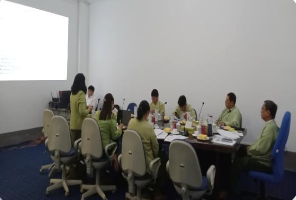
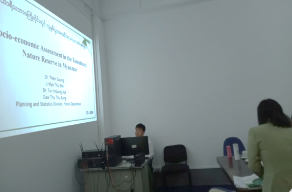
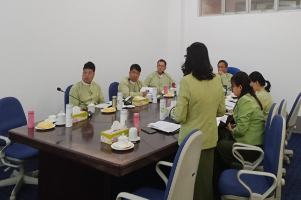
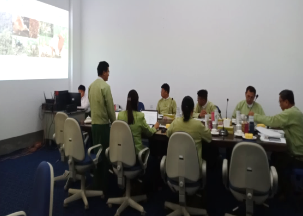
In accordance with the OMP V of the Tanintharyi Nature Reserve Project, socio ecological research activities were conducted within the reserve during the 2024-2025 fiscal year. These studies were implemented by a team of subject matter experts from Forest Department.
 |  |
 |  |