Livelihood Development Training Program
According to the project's social surveys conducted within and around the Tanintharyi Nature Reserve, there are approximately 44 villages with 4,988 households and a population of 26,967 people. The area is primarily inhabited by Dawei, Karen, Mon, and Burmese ethnic groups.
To reduce livelihood activities that may damage the reserve's forests and biodiversity, the project provides various livelihood development training programs for local communities living near the nature reserve, including: Bamboo and rattan handicraft training, Food production training using elephant foot yam, Organic fertilizer production techniques and Agroforestry cultivation training. Additionally, the project supports local communities by: Hiring local residents as project staff and providing employment opportunities through contracted work arrangements.
Livelihoods development training programs in 2024-25 fiscal year
No. | Activities | Unit | Target | Completed | Remark |
1 | Livelihood development training program | times | 5 | 5 |
|
Food production training using elephant foot yam
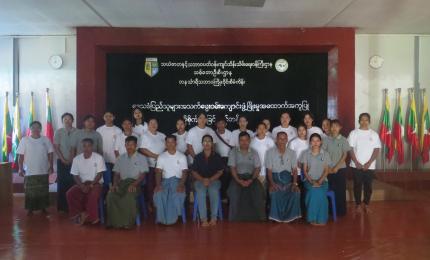
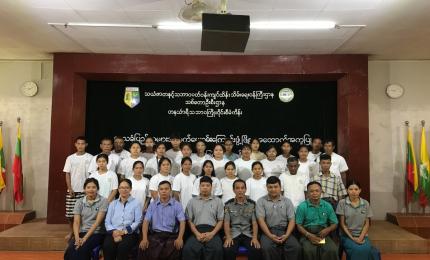
To enhance the socio-economic development of local communities, a " Food production training using elephant foot yam" was conducted in accordance with OMP V. The training was held for three days from March 4 to March 6, 2024, at Michaunglaung camp and Yepone camp.
Previously, local people cultivated elephant foot yam using traditional methods, resulting in low yields, limited market access, and a lack of technical knowledge for value added production.
However, with the recent " Food production training using elephant foot yam," farmers have learned systematic cultivation techniques and gained a better understanding of the yam market. This has significantly increased their interest in yam farming.
The training also supports the development of small and medium-sized enterprises (SMEs) in project-area villages, contributing to local economic growth.